
Case Studies
Across schools today, too many children are struggling, not because they lack potential, but because our education system has forgotten that every learner is different. Students grow at different rates, think in different ways, and bring distinct strengths to the classroom, yet many learning environments are still designed for sameness. When curiosity is constrained, innovation diminishes. When individuality is not nurtured, brilliance goes unnoticed. And when children are unable to explore, they disengage, act out, or disappear into silence.
EI exists to change this.
EI helps public school leaders and teachers redesign learning so every child experiences joy, purpose, and authentic engagement, through empowering educators to create learning ecosystems where all students thrive.

Our case studies offer an in-depth look at the results of EI’s partnership with public schools. Each story highlights specific practices, implementation steps, and measurable outcomes that helped shift school culture, increase engagement, and strengthen hands-on learning.
These reports are designed to support district leaders, educators, and funders looking to understand how research-based tools and collaborative professional learning can lead to sustained, school-wide change.
Year-in-Review Case Study: How Lowell Public Schools Transformed Engagement, STEM Learning, and School Culture
District Snapshot
EI partnered with multiple schools in Lowell Public Schools to strengthen student engagement, build teacher capacity in hands-on learning, and improve school culture. Schools across the district serve diverse, high-needs communities where opportunity gaps, chronic absenteeism, and uneven academic growth have created barriers to learning.
Hypothesis
If teachers received targeted support in open-ended STEM instruction and schools expanded opportunities for hands-on learning, student choice, and family engagement, then attendance, engagement, and academic outcomes across Lowell would improve.
Theory of Change
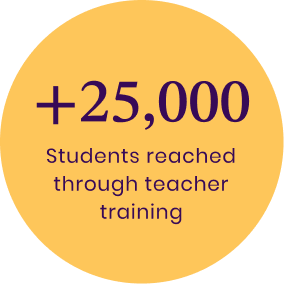
By equipping teachers with tools, training, and coaching, and by establishing schoolwide systems that embed student agency and experiential learning, partner schools would see stronger teacher confidence, deeper engagement, and more sustainable school culture change.
Action Steps
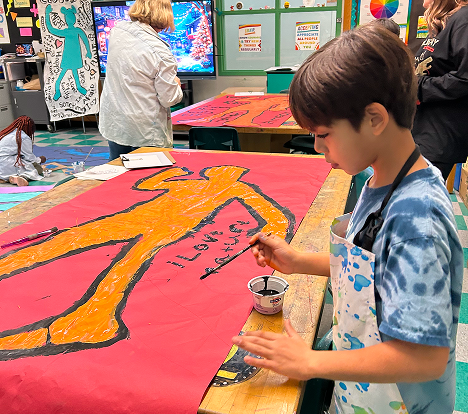
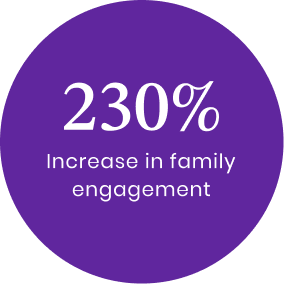
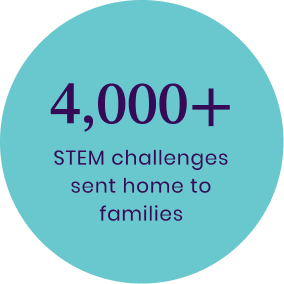
Working with district and school leaders, we designed and delivered customized professional learning, launched and supported teacher-leader teams, expanded open-ended STEM learning, strengthened schoolwide routines for choice and student voice, and increased opportunities for families to engage with academic events and hands-on learning experiences.
Results and Impact
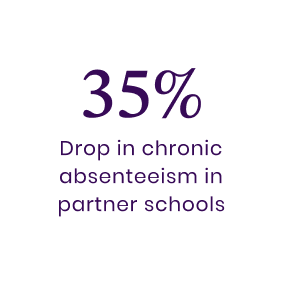
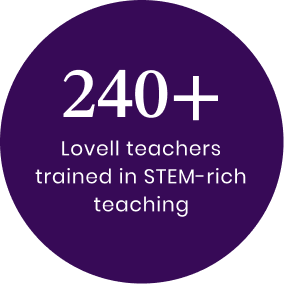
How McAvinnue Reimagined Learning:
From Low Engagement to Hands-On STEM Success
School Snapshot
McAvinnue Elementary is a PK–4 school serving 447 students in Lowell Public Schools. McAvinnue serves a high-needs community, with many students facing significant opportunity gaps that affect engagement, attendance, and academic success.
Hypothesis
School leadership believed in creating high-interest, high-value opportunities to promote STEM learning, student autonomy and stewardship programs that shift educator mindsets to enable student ownership, exploration, and agency in their environment.
Theory of Change
If educators were given the tools, training, and support to design high-interest, inquiry-based STEM learning, and if students were offered more choice and voice in their daily learning, then this would create the joyful, high-energy learning environment McAvinnue aimed for.
Action Steps
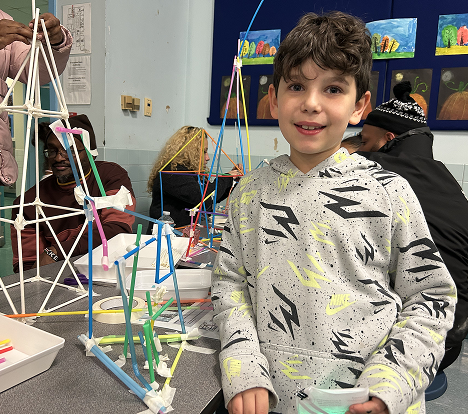
Through a collaborative action planning process, we mapped out a shared vision for hands-on, student-centered STEM learning across the school. From this, we supported the leadership team at the McAvinnue to design and implement professional learning in STEAM integration and open-ended instructional design, mobilize a teacher leadership team to support culture change, launch Whole School Project Days to increase student autonomy, introduce a Stewardship program to expand student voice and ownership, and co-design schedules and routines that created more choice and deeper engagement in hands-on STEM.
Results and Impact
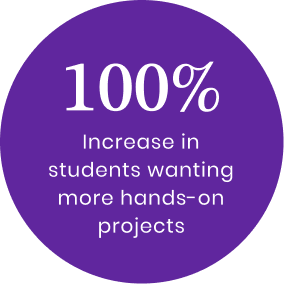
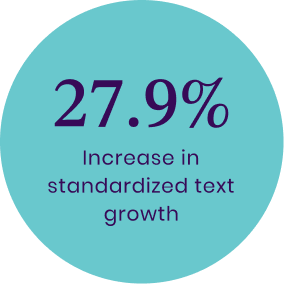
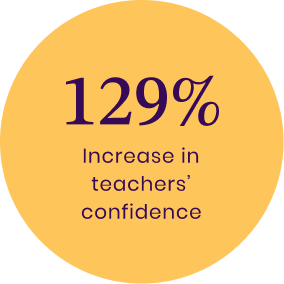

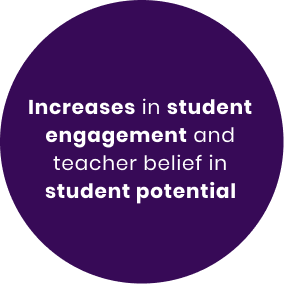
McAuliffe School Case Study: How McAuliffe Accelerated Growth Through Hands-On STEM & Student Voice
School Snapshot
McAuliffe Elementary is a PK–4 school serving 501 students in Lowell Public Schools. The school serves a diverse, high-needs community where many students face systemic opportunity gaps that affect engagement, attendance, and academic achievement.
Hypothesis
School leaders believed that expanding experiential learning and providing more opportunities for student voice would re-engage learners, strengthen school culture, and improve academic outcomes.
Theory of Change
If teachers were equipped with training, coaching, and tools to facilitate STEM-rich, inquiry-based learning and if students were provided meaningful choices, leadership opportunities, and hands-on experiences, then engagement would rise, absenteeism would decrease, and academic achievement would accelerate. Increasing structured enrichment, Universal Design for Learning (UDL), and experiential activities would empower students to take ownership of their learning while strengthening community relationships.
Action Steps
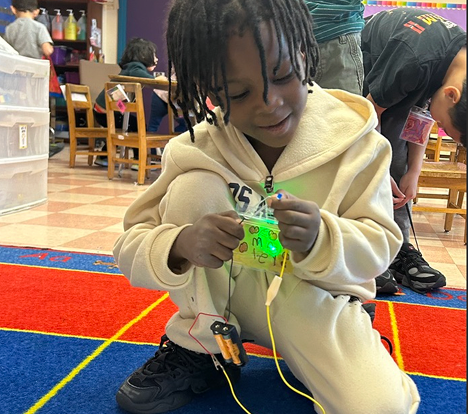
Through a collaborative action planning process, we supported the leadership team at the McAuliffe to develop a shared vision for expanding student-centered STEM learning and experiential enrichment across the school. From this, we designed and delivered professional learning in STEAM integration and open-ended instructional design, and worked with leaders to diversify Enrichment Fridays.
Results and Impact
“I loved how each table had different levels, my child could have worked all night at any table and was challenged throughout the whole thing.”
Parent from Lincoln Elementary School, Math Night